Monday, 11 April 2022

A Farewell to the Picture Book Greats: David McKee - by Garry Parsons

 With the recent passing of David McKee it felt only right to pay a personal tribute to a remarkable picture book creator.


McKee's most famous story, Elmer, with his colourful iconic patchwork was first published in 1968 by Dobson Publishing and then re-released in 1989 by Andersen Press under the helm of Klaus Flugge and has since become a household name. McKee wrote and illustrated 29 Elmer books sparking a whole range of board books, toys and clothing.  
Flugge and McKee became firm friends. 'His was a singular voice and a shining light in children's books that highlighted inclusivity, diversity and parts of our world that are not always present in publishing for children.' 
McKee enjoyed drawing on letters to his friends and would often correspond with Flugge decorating the envelope as well. Flugge would pin these to the wall in his office at Andersen Press where other illustrators who were visiting would see them. Satoshi Kitamura, Tony Ross, Posy Simmons and Axel Scheffler, to name a few, began sending decorated letters and both Flugge and McKee's collections grew.


Satoshi Kitamura has compiled a collection of decorated envelopes which includes many of McKee's drawings to Flugge in "Efuto" published by Foil. 
Envelopes decorated in this way are known as 'efuto' in Japan which translates simply as 'picture envelope'
 
Working with King Rollo Films, McKee co-created iconic animated programmes for the BBC including Mr Benn, about the eponymous explorer who through a magic costume shop went on a series of fantastical adventures.

' I wanted Mr Benn to be Mr Everybody. Bowler hats were more common in the early 1970s. There was a respectability to them, plus Charlie Chaplin and Laurel and Hardy are favourites of mine. Mr Benn went off on adventures according to whatever costume he tried on. I was heavily influenced by fables, because of their apparent simplicity. I like stories with a moral, that have a reason for being there – I don’t like a character to wake up and realise it was all a dream. That’s why I introduced the souvenir that Mr Benn always takes back with him, to say that it really did happen.'


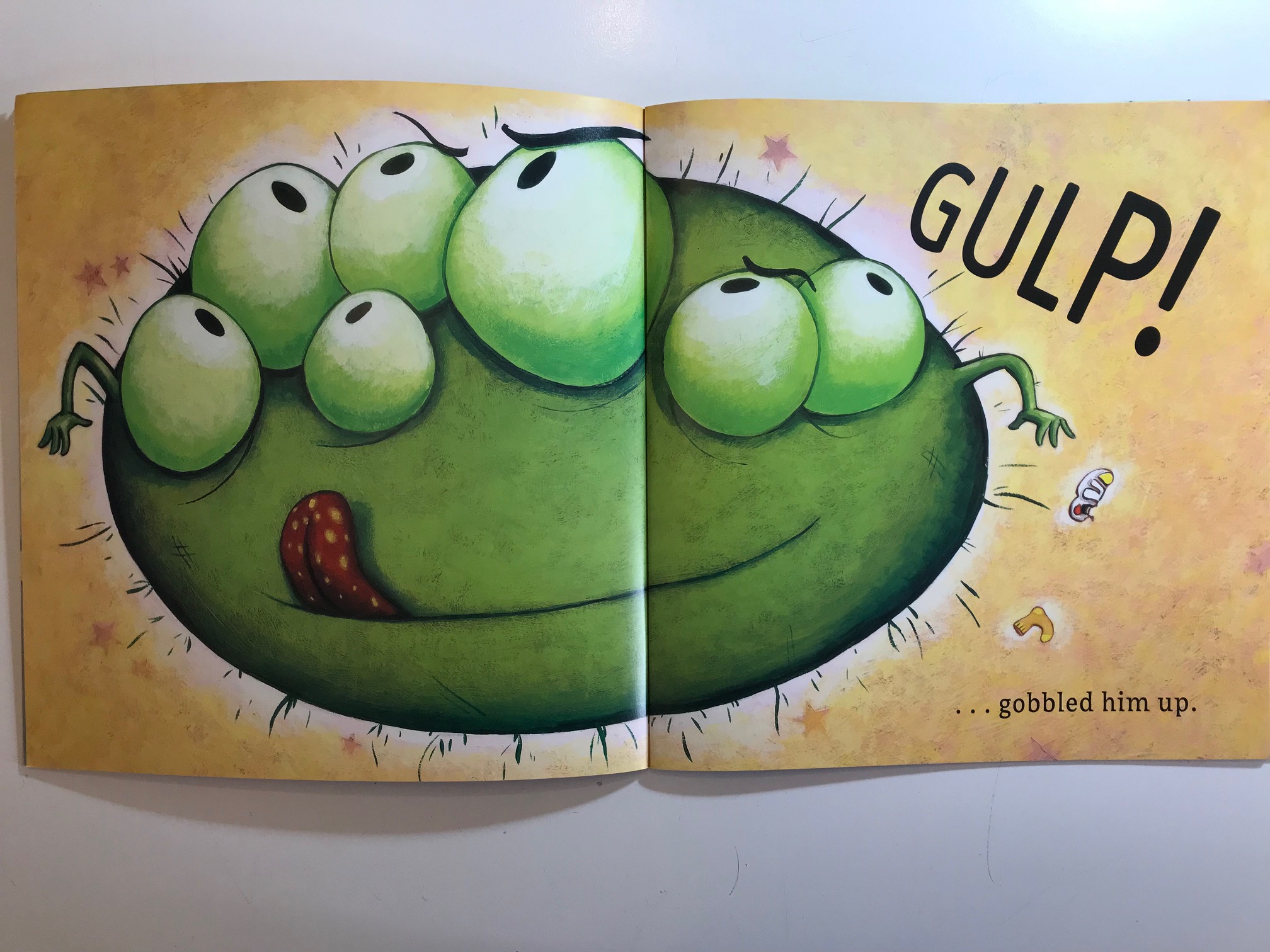
Not Now Bernard was first published in 1980 and has never been out of print. Controversial on it's first publication and banned by some libraries for being violent, Not Now Bernard has become a classic. I remember being shocked and thrilled reading this for first time. The illustration showing the monster holding up all that is left of Bernard was a dark delight and a symbol I included in my own illustration of a boy who is swallowed by his 'Green Eyed Monster' in G.E.M by Jane Clarke. All that remains is a shoe!


But the picture book that epitomises David McKee's flair and brilliance for me is Two Can Toucan.


Two Can Toucan was McKee's first picture book published in 1964 by Flugge whilst he worked at Abelard-Schuman. It was then re-illustrated and re-published in 1985 by Andersen Press.
Back in it's original form it was republished again to celebrate the 40th anniversary of Andersen Press. 

My copy is a little tired and worn but for good reason. Toucan's journey starts in the jungle with all the other creatures but heads to the town to seek his fortune. 

McKee's wonderful illustration of the jungle is a page I return to often.


In town he searches for a job he is good at and tries out a few empolyment opportunities. This comical scene of the dull office commute includes everyone wearing Mr Benn's characteristic bowler hat. 


He finally he discovers he is good at carrying things, cans of paint in particular.


I asked Picture Den members, Moira Butterfield and Pippa Goodhart for their insights and enjoyments of David McKee's work.
'I love the artwork and the child-friendly tone of David McKee. I recently worked on an Elmer book commentary for children with sight conditions, and that involved me looking very closely at the illustrations to describe their effect. The Elmer backgrounds are so rich and full of life. I’d say joyous. And his writing was absolutely pitched from a child’s point of view. No patronising. No trying to ram in some parental moral treatise. Just looking at life at the shoulder of a child.'   Moira Butterfield
When I had just started as a young bookseller in Heffers Children’s Bookshop in 1982, David McKee was the first famous author/illustrator I met. He launched his ‘I Hate My Teddy Bear’ picture book in the shop, and of course I bought a copy and he signed it.   Pippa GoodHart


'I worked with a friend in Heffers Children’s Bookshop who was lucky enough to get to keep all the originals of the shop's catalogue covers. Heffers were good at wining and dining people and asking for favours! 


The spirit of David McKee's work will, without doubt, live on to inspire and delight many more generations of children to come.
                                                             David McKee 1935 - 2022.
 
                                                                                  ***
 
Garry Parsons is an illustrator of children's books. His work can be seen here
Follow Garry on twitter and instagram @icandrawdinos


Monday, 4 April 2022

My picture book publicity movies By Moira Butterfield

A couple of years ago I started making mini publicity movies for my books. I post them on Youtube (I haven’t ventured onto Tiktok). I did post on Instagram TV but that doesn’t seem to exist now. Instagram now has a short reel thing going on, to try to go up against Tiktok presumably. 

 Nobody asked me to do this, but for various reasons I don’t spend time visiting schools so I decided it might be helpful to appear somewhere. Now I offer my mini movies to my publishers, who can use them for publicity if they so wish. That led to me making one specifically for a US publishing conference, and involving my illustrator. We tried to make it stand out and the publisher was very happy with the end product. 


The opening of a movie for a US conference. We animated the vehicles and added sounds.
Featuring illustrator Bryony Clarkson. 

I find it a lot of fun to experiment with movies, though I think it’s fair to say my early efforts were somewhat haphazard and a wee bit crazy-looking. My various forays have certainly taught me a lesson about not trying too hard in front of the camera! But I learn a little each time I make one and I want to share some tips below in case you fancy trying movies, too. 


I don’t generally get more than a few hundred views on Youtube but one of mine has racked up 67k views, so you never know. That one was boosted when the book got read out by a celeb, and is also used in schools in the US through Quarto Classroom. 


67k people have watched the videos for this Quarto book. The movie featured me and my next-door neighbour - beekeeper Phil. I haven't told him about the 67K yet. He might want paying or
he might just freak out! 

I didn’t find setting up a Youtube channel hard. It was very clear. I put child settings on it and limited comments. I can take down my posts at any time. Nothing is permanent. 


 M’S MOVIE TIPS 


*  I script my movies and use an app called Teleprompter on my phone. It enables me to type in my script and then scroll it as slowly as I want. I mount my phone on a selfie stick which also has a small and somewhat rickety fold-out tripod on its base for standing on a table. 


* I like to go out and about with my movies and that has taught me that the place where I live is unbelievably noisy! There seems to be daily drilling somewhere, plus revving trucks, car horns and sirens – and especially people calling their dogs in the park behind my garden. So it’s best to film somewhere quiet, and definitely not at school run time if you’re in town. Very early in the morning works well if I can get my act together. 


* I film my movies in sections that get edited together. That way I can do takes and retakes and choose the best. Doing everything in one take is just too tough because I might garble words, sneeze, fall over or perhaps swear at the neighbour’s drilling! 


*Being outside doesn’t require special lighting but I did find that the outdoor light reflects the colour of my clothes onto my face. This resulted in a very green face when I wore a green dress! It’s worth experimenting with clothes to minimise skin reflection. 


Green and ill-looking! 


That's better. 


*I do have a desk halo light for filming inside but I haven’t actually used it yet. I brought a cheap green screen that I have used, however. It’s on a very rickety stand but it does the job (when it stays up) and enables some graphics to be put behind me when necessary. I used it  for my movies on Dance Like a Flamingo and Sing Like a Whale (Welbeck), so we could add some of the illustrations. 


The green screen gets knocked out to add graphics 


I like to get kids involved if I can. Luckily my relatives are game and give
permission to be shown. 

* I don't mind looking a bit amateur. I am an amateur filmer! I do want the movies to have some character and so I'm happy that they aren't too slick, but I don't want them to be too ropey either. I pay a friend to edit my movies the way I want them – as I don’t have the skill. They add the graphics and music. 

Publishers don’t pay me because I do this off my own bat. I know that novels, for example, get publisher-funded publicity reels but I’ve never been offered one. Perhaps one day I will, maybe even prompted by my amateur forays into the movies! 

PS: After I wrote this blog I did some filming which came out pretty badly. No worries. I get to throw it away and do some more takes, but here are a couple of fails. 

Er...I think those binoculars are the wrong way round, and did someone train the spotlight on your nose? 


Moira Butterfield is known for writing non-fiction picture books. She is currently writing a follow-up to her bestselling Welcome To Our World (Nosy Crow). She has three books coming out in May – Maya’s Walk (OUP) aims to make daily repeated walks much more fun for pre-schoolers and their grown-ups. Grandma’s Story (Walker) aims to introduce children to the concept of history and get them chatting about childhood with the grown-ups they know. The Secret Life of Birds (Quarto) is part of the Secret Life series (following Trees and Bees). So she has a lot of filming to do! 


Link to Moira’s movies: 


https://www.youtube.com/channel/UCk74GKogEymUxb3HBNUNzhg?app=desktop


www.moirabutterfield.co.uk

twitter @moiraworld 

instagram @moirabutterfieldauthor


Monday, 28 March 2022

Ten ways to kickstart your writing if you’re stuck by Juliet Clare Bell

In case you're in need of a boost to your creativity at the moment (I have been!) here's a list of ten things you could try...


1 Be kind to yourself and seek out good company. If you’re anything like me you may still not be seeing as many people as you did pre-covid. We haven’t started back with our in-person once a month local SCBWI picture book group yet or our once a week writing together sessions we did for some time. I feel very lucky to have been able to go away for two weekends very recently with writer friends


                                          SCBWI Writing Retreat 2022 (masks off for eating)

I used to use retreats as a time to write but these weekends were a time to reflect and think,  and most of all, be in really good company, talking about writing and being honest about how we’ve all been finding life and writing after the last two years… I am rejuvenated (and without meaning to, came up with a great idea for a picture book). f you’re not able to go away, try and connect in a different way -on a walk (in person with someone, or failing that, on a call to a friend elsewhere) or on zoom if you can still face it!

2 Be kind to yourself and read -either somewhere super nice and cosy


or in bed (with electric blanket underneath and weighted blanket on top -in my case) whether that’s with a physical book (for me, in my chair) or an audio book in bed…

And don’t feel like it can’t be as fun if you schedule it. I do fifteen minutes in my cosy chair after I’ve got completely ready for bed, with lovely lighting and bird song on spotify, and I frequently read at scheduled times with one of my teenagers in cosy silence. I will forget to do it if I don't have a reminder but it's lovely when I do it.

Try picture books and other books. They can all help you find your way back, even if they don’t seem connected to what you’re writing initially. I’m currently listening to Brene Brown’s  The Gifts of Imperfection 


-I'd highly recommend it...  I’ve also been listening to Elizabeth Gilbert’s Big Magic


I don’t necessarily share her opinions about the universe deliberately putting positive things in your way but it doesn’t make any difference to how much I get out of the book and how it encourages me back into creativity.

3 Be kind to yourself and have a little book of small successes (for writing and writing-related successes) and write in it every day. My small successes are often very small (like sitting at my desk for fifteen minutes and doing a task I didn’t feel inclined to do but did anyway) and I am only allowed to write wholly positive things in there. 


I do this at the end of the day, before bed, so I’m finishing on a high note and I do it at my desk with lovely calm lighting so it feels like a treat.


 If I ever choose to read it, it is wholly positive, whether the success I’m reading is finishing a book or doing half an hour of taxes in one sitting…

4 Be kind to yourself and surround yourself with plants. I nicked this idea straight off my middle daughter and it’s been very lovely indeed.


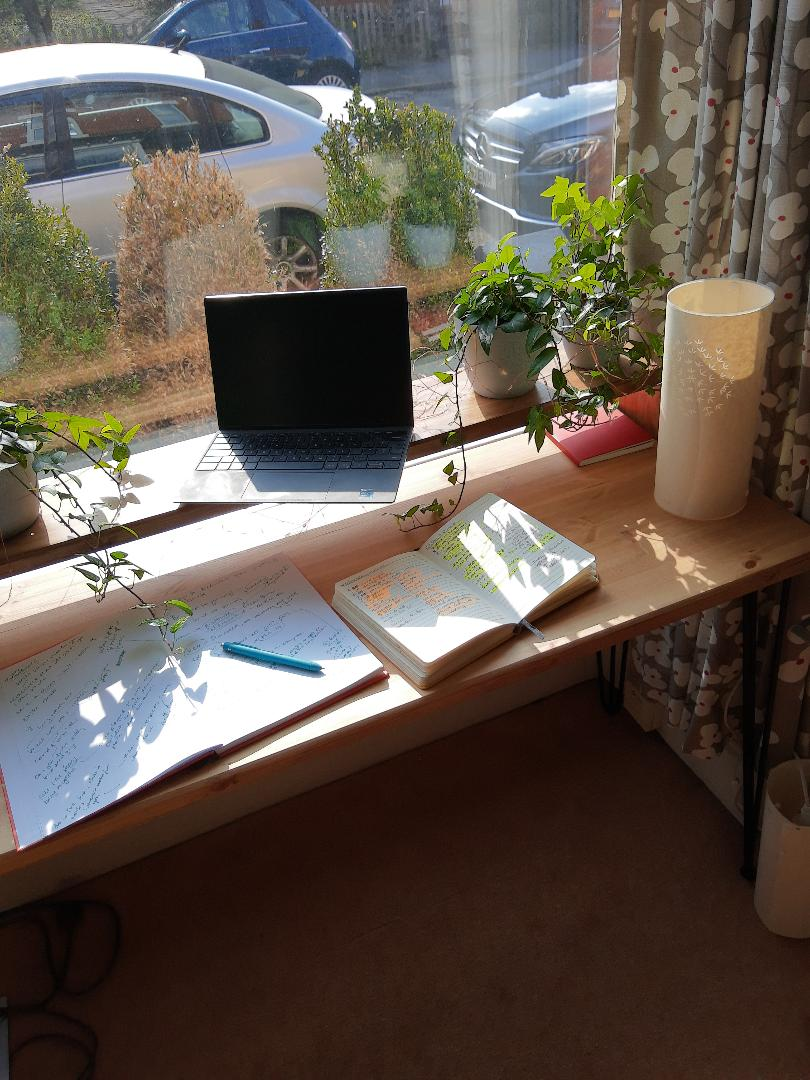
5 Be kind to yourself and get a good working area if possible. Until I carved out my good working area earlier this year in my bedroom and bought my desk (some months after I’d done a huge clear-out), my good working area was my bed. It wasn’t actually very good but I did make sure it was a happy area by covering it with a lovely yellow blanket. I love my desk so much and it makes it way easier to get down to work.

6 Be kind to yourself and try and find ways to work less on computer and more on paper. I have to remind myself of this a lot as I’m wont to forget things quickly, but you can actually have your computer screen closed quite a lot of the time when you’re working on a picture book and it gives your working environment a very different (and often nicer) feel.

7 Be kind to yourself and look after your body -eat the right foods and exercise. For me (a perimenopausal woman with ADHD) that means religiously eating lots of flaxseed every breakfast without fail with yogurt, chia seeds, apple, toasted flaked almonds and a bit of honey, and it means cutting out almost all refined sugar. Two years ago I would never have dreamt of eating that and ate Coco Pops or cornflakes or another sugary cereal for breakfast, and lots of chocolate. But I borrowed the idea off other women of a similar age and it’s made a huge difference -as has HRT- helping my memory and reducing brain fog (very useful for writing!)   And do whatever exercise works for you. For me, it’s jogging gently on the spot at home at regular times throughout the day and it does wonders for my concentration.

8 Be kind to yourself and embrace whatever works for you. It doesn’t matter if anyone else thinks it’s weird. You do you -whether that means dancing around the kitchen to seriously uncool music or jogging super-slowly in tiny steps up and down your not-so-large kitchen whilst you wait for the kettle to boil… 


If you jog with tiny enough steps the kitchen seems pretty big (and it's great to get concentration back if you're losing it)...


or putting on slippery socks so you can slide around on your floor, or playing tig at the park with your teenage children, or watching Brokenwood with a child whilst finishing a blogpost 


     Seeking out good company at home, too, for writing, reading or just good old hanging out...

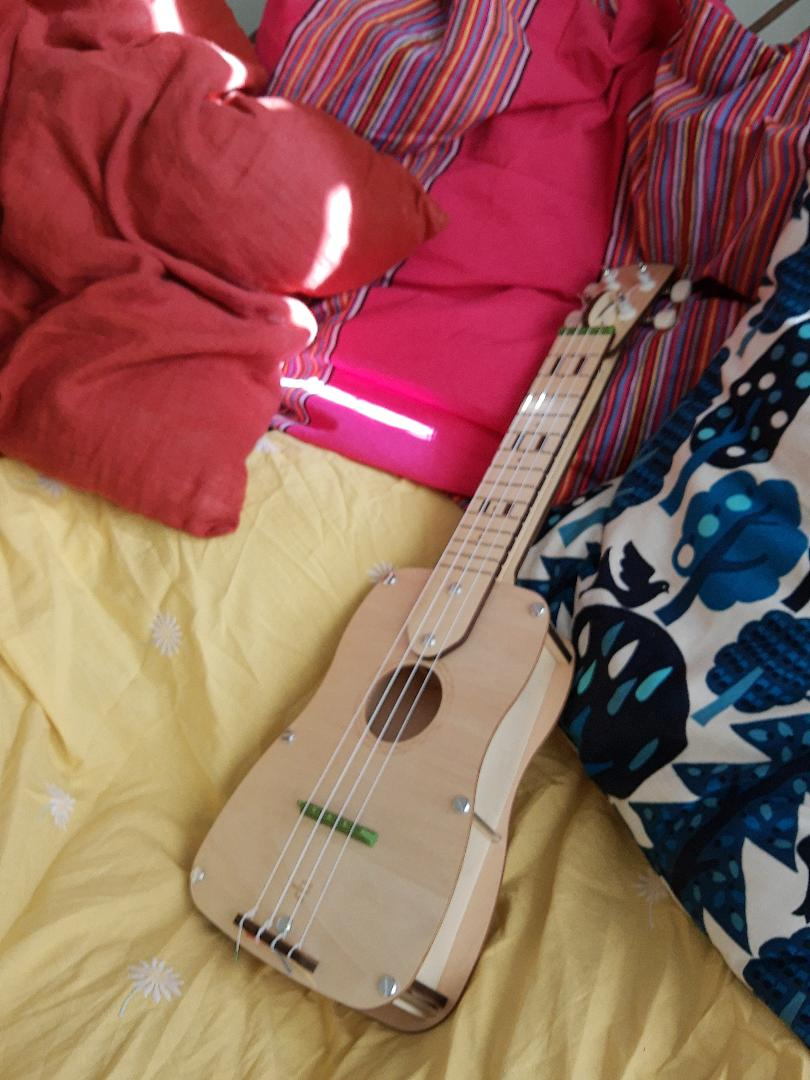
or learning to play the ukelele just for fun...


or using an actual sticker chart to motivate you to do all the helpful things that help things along…


     It may seem childish, but I don't care. I nicked the idea off one of my children and it works for me! 

9 And then be kind to yourself and think really carefully: is what you really want to be doing? If it is (and it’s fine if it isn’t) then plan your days (after years and years of trying different productivity journals and numerous variations on to do lists, I’ve finally found a way that works: a simple brightly coloured book (so I love using it and I can’t lose it -at least not as easily as less colourful books) with half the day’s page taken up with a random brain dump of absolutely everything I need to do and the other half a schedule based on the brain dump. All done the night before so I know exactly what I'm doing at the beginning of each day -magic! And I get to use a highlighter once I’ve completed something...


        It's very yellow and I lose it way less than anything else -and who doesn't love a highlighter?


 and then be kind to yourself and…

10 be authentic, take your inspiration and strength from everywhere and allow your re-invigorated mind to write what moves you.


These are things that have made a big difference to me recently and I'm getting more writing done and having more fun doing it! Let's all remember to be kind to ourselves (and of course, each other). What are your top tips for feeding your soul and being in a better place to write? I'd love to hear them in the comments below...

Clare is the author of around 40 books (picture books and early readers) and is editing her first young adult novel. She's recently questioned whether she wants to be moving on to older books now her children are much older but once she let herself imagine not writing more picture books she realised how much she actively wants to write picture books and it's really helped her focus.

www.julietclarebell.com


Sunday, 20 March 2022

CREATING STRONG PICTURE BOOK CHARACTERS

If I had to pin down some of my all-time favourite picture book characters, Burglar Bill (Janet and Allan Ahlberg) and the girl from Rebecca Patterson’s My Big Shouting Day would be up there.

I think what I’m drawn to is the darkness and danger in Burglar Bill. He's certainly interesting and someone I want to read more about. Plus, he has a fantastic refrain that I used to love joining in with as a child - ‘I’ll ‘av that!


In My Big Shouting Day it’s the authenticity of the character that appeals to me. She's so well cast and familiar that I feel like I know her (Perhaps I do!) This spread in particular is fantastic and full of humour. Again I love the voice ‘I CAN'T EAT THAT EGG!’


STRONG CHARACTERS


In more modern examples, I thought Yoyo from Emily Davison and Deborah Allwright’s Every Bunny is A Yoga Bunny was excellent – a fidgety, bouncy, can’t-sit-still-ever sort of bunny will be relatable to many young readers, making Yoyo's story easy to empathise with. 


And it’s impossible not to fall in love with Gertie, the littlest yak! (Lu Fraser, Kate Hindley.) She may be small but she has a big dream. It's the contrast between her tiny physical size and her ambition that make us root for her even more. Also, the weather and dangerous setting heighten the stakes, increasing the tension and how much we care.


Whilst the advice is usually to make your characters relatable, Catherine Emmett breaks the mould showing us how to make the reader care about unlikeable characters in her cautionary tale, The Pet, with David Tazzyman. In this story about spoilt Digby David who doesn't look after or respect his animals, we keep reading to see if the main character is going to learn his lesson... or not. (Perhaps he is a bit relatable too! Shhh!) 


LIke most of the books above, picture book creators are often advised to create child characters or characters that are child-like. But Catherine Emmett demonstrates that not all picture book main characters have to be children. In King of The Swamp, McDarkly is a grown-up monster character living alone in a swamp, but he has a clear plight that we can get behind and is very much likeable


ARE YOU A CHARACTER-DRIVEN OR PLOT-DRIVEN WRITER?


Whilst it depends on the story and the idea, on balance I consider myself more of a plot-driven writer than a character-driven one. I get swept away by funny starters, escalatory ideas for middles, devastating crisis points, climatic endings, or by theme, and then I choose the character to star in my story afterwards.


For that reason, I have to work a little harder to create strong characters. Here are three tips I’ve gathered since I started writing which might help you with your characterisation too. 


TIPS FOR DEVELOPING STRONG CHARACTERS


-     1. Quiz your characters: 

I knew in Sunshine at Bedtime I wanted the main character to be a human child. In the story, Miki’s external goal was to learn about the Sun and all the ways its light works. To develop her internal traits, it helped to imagine Miki in my mind’s eye and to ask her what questions she had and to find out how the extra sunlight was affecting her everyday life. It quickly became apparent there was NO WAY Miki was going to go to bed when it was still sunny, which became the opening of the book. Interviewing your character might throw up some interesting ideas to explore. 


-      2. Base them on someone you know or a celebrity :

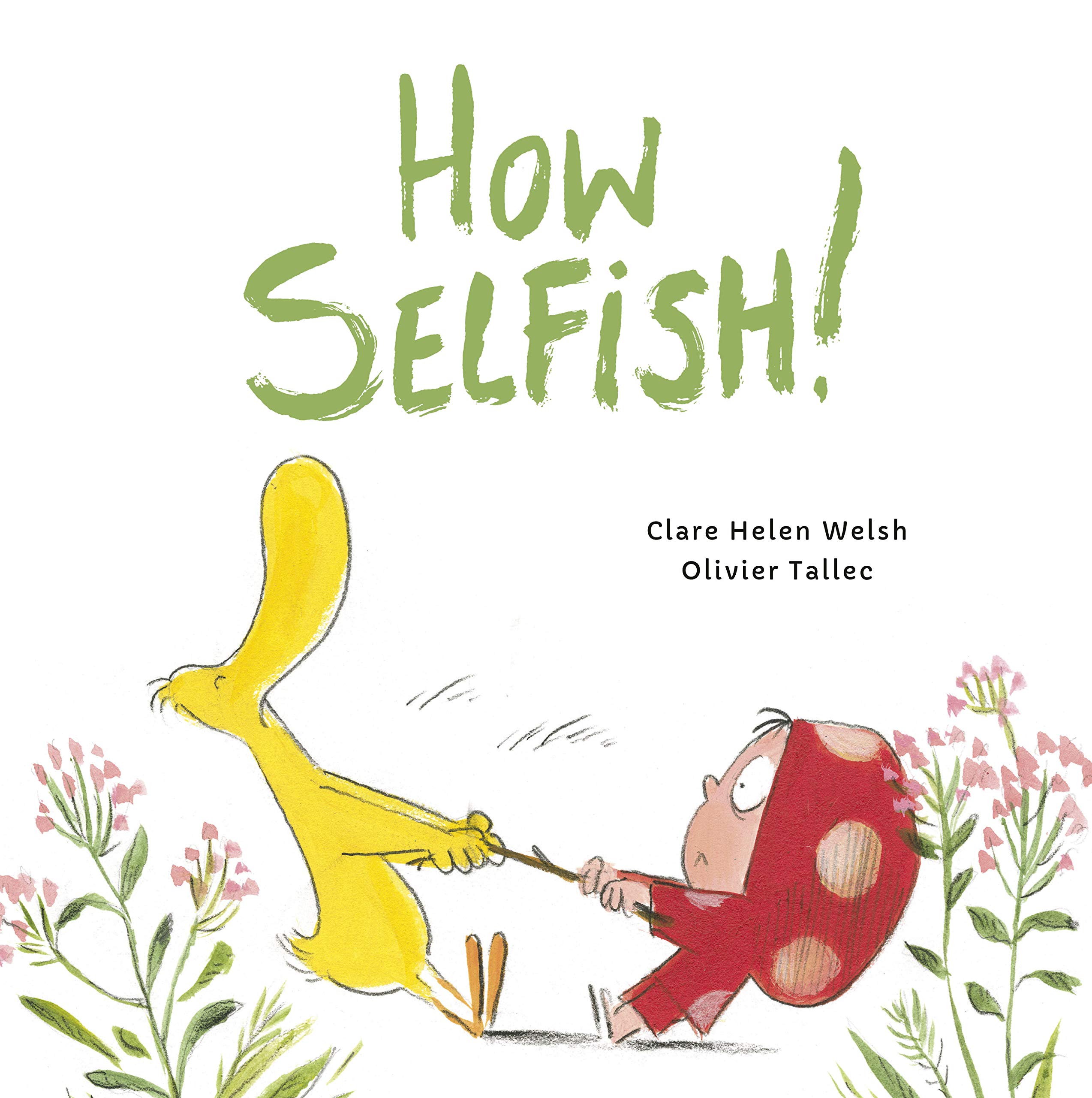
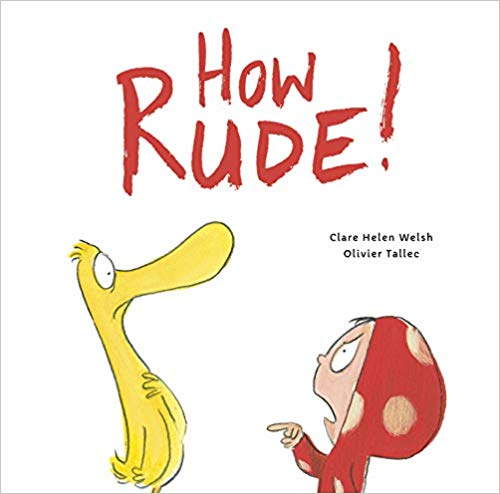
In the Dot and Duck series, I’ve very much taken inspiration from my life. How Rude came from imagining my children at their worst. How Selfish was inspired by my time in Early Years environments. The third adventure, How Messy, was more specifically inspired by my marriage! Not that one or other of us is Dot or Duck – we have our moments as both characters – but it helped to imagine incidents and real life examples and to plough those details and emotions into the story.  Can you base your character on someone you know, or know of? Even if just in part? It makes them easier to visualise and makes it easier to predict how they will react in certain situations. 


-      3. Take the theme of your texts and cast the character/s that will cause the most conflict

In the Lenny series, I chose the characters that would provide the most 'story'. Who were the smelliest, yuckiest, slimiest animals on the planet?! These were the creatures I knew Lenny needed to meet. The smellier, yuckier and slimier the animals, the higher the stakes for the character and the more potential there was for conflict and humour. Have you got the worst combination of character and conflict in your story? An uncoordinated giraffe that wants to dance? An owl who is afraid of the dark?


DO CHARACTERS ALWAYS NEED TO BE DISTINCTIVE?


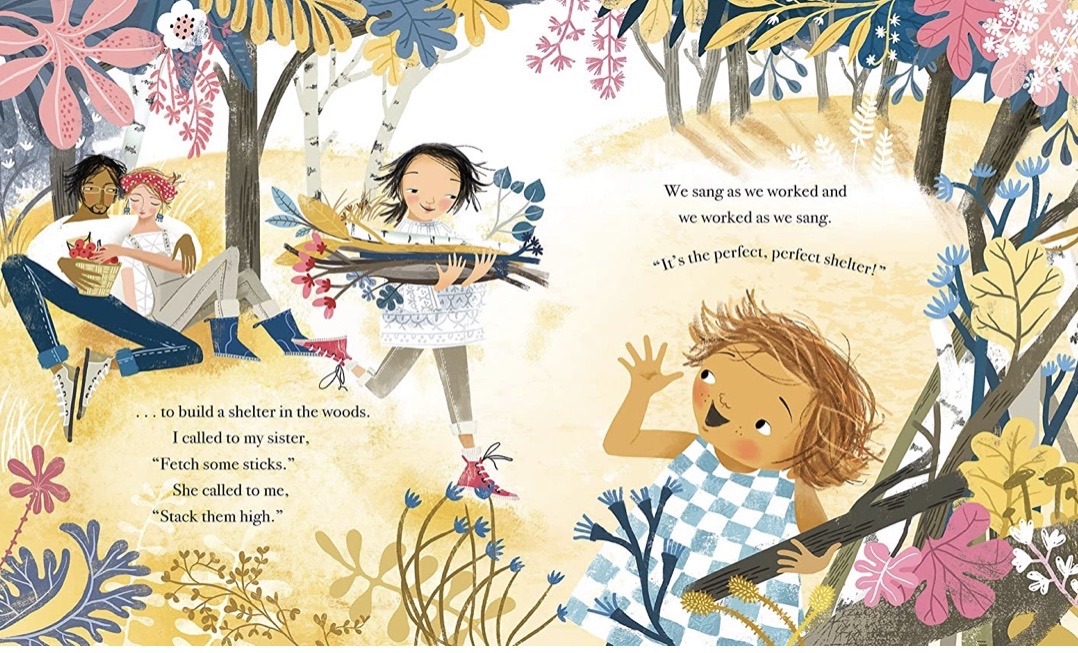
I think it’s also worth considering that sometimes it’s ok if your character is just a child. If your text deals with a big theme or has a hard hitting conflict, you might not need such an outwardly unique character. For example, in The Tide (Ashling Lindsay) and The Perfect Shelter (Asa Gilland), the main characters are just children – one who loves the beach and one who loves building dens. Written in first person they are intentionally quite generic, which I think works. There’s enough conflict going on in the world around them. One girl is learning to accept her grandparent's dementia and the other her sister's critical illness. The plot points and emotional themes are the hooks for the story,  not the uniqueness of the character.


Remember though, that even if you decide your human characters don’t need to be that distinctive, they still need to be clear. You could try cementing their personality in the early pages, with a line or two that tells us exactly all we need to know.


The good news is that where picture books are concerned, it’s not all about the words! Illustrations bring characters alive in a physical sense, of course, which for me is like meeting them for the first time! I don't ever imagine my characters in that much detail. But they also add to the characterisation in untold, magical ways. Like when Laura Barrett illustrated Scissorella and hid animals mentioned in the original fairy tale like lizards, mice and a cat adding to Lotte’s kind and caring persona. So if your characters feel a little flat, that might not be a bad thing - it could leave space for the perfect illustrator to breathe life into them and bring them into their own. 


WHAT ABOUT YOU?


I wonder if you have any top tips for creating clearinteresting, relatable, authentic, distinctive, like-able characters that we care about. Would you consider yourself a character-led writer or plot-led writer or both?!


Feel free to let us know in the comments below.


BIO: Clare is a children's writer from Devon. She writes fiction and non-fiction picture book texts - sometimes funny, sometimes lyrical and everything in between. Her first book was published in 2015, and she currently has books in development with Little Tiger Press, Quarto, Nosy Crow and MacMillan. Her next narrative non-fiction picture book, 'Sunshine at Bedtime,' comes out in just a few weeks with Storyhouse Publishing and has been illustrated by Sally Soweol Han. It's a magical but educational adventure explaining why the sun sets later in the summer. You can find out more about Clare at her website www.clarehelenwelsh.com or on Twitter @ClareHelenWelsh.