
I love the
lyrical text of a picture book such as Malachy’s ‘Dancing Tiger’. I love the pow zap language action of comic
strip stories. I love the expressive
font usage of particular words in Lauren Child’s ‘That Pesky Rat’. I love the use of pictures as if they were words
in Polly Dunbar’s ‘Penguin’. But I also
love picture books with no words in them at all. In fact I have an ambition to be the author
of a book with no words in it at all. I
want to dream-up visual story or stories that will be realised by somebody else
– an artist – and I want my picture ideas to be enough without words.
Why? Because pictures on their own leave the
audience to do the work of noticing all there is to notice; the job of joining
the visual story dots to create the story that is probably more truly their own
personal version of the book story than is the case when there are words to
guide you.
Many modern
reading schemes now begin with simple wordless picture books in order to give
children the experience of ‘reading’ a story in a way that all can access,
without the skills for decoding text being necessary. They get children into the habit of reading
story (as they will with text) from left to right, turning pages from beginning
to end.
But, more
excitingly than that, wordless books make children use their story
imaginations, and gives them the chance to express those stories in their own
words. And this isn’t just true for
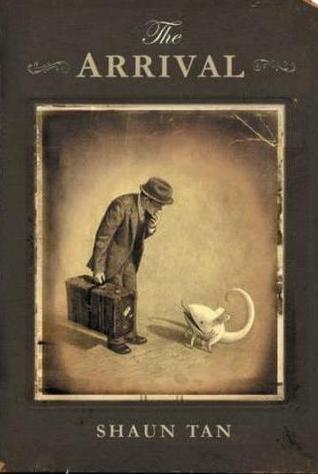
small children, of course. Shaun Tan’s ‘Arrival’
is a wordless picture book that stretches adult imagination in the most
brilliant ways.
These books become story
creating experiences that hand story power to the audience. Instead of listening to an adult reading out
prescribed words, any words (if any are even needed) come from you. That’s exciting, and involves an
author/illustrator who dares to trust their audience to handle the story
themselves.
What are my
favourite wordless picture books?
Beatrix
Rodriquez wonderful stories about a ‘Fox and Hen’ are exciting, funny, moving
and memorable.

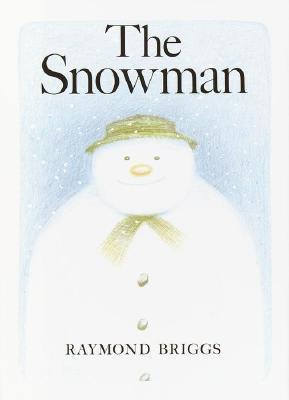
Raymond
Briggs’ ‘Snowman’, shown in wordless cartoon, has of course become a classic,
although many versions of the story now have words added, which seems a shame.
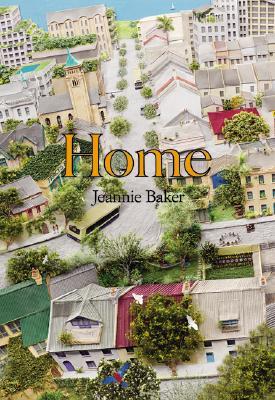
Jeannie
Baker’s ‘Home’ is most moving and challenging ‘Home’ and other titles are
important books for a wide age range.
Quentin
Blake’s ‘Clown’ is another moving tale.

Come to
think of it, all these examples are of quite challenging stories. Perhaps wordlessness is a way to cope with
what might be uncomfortable if it were to be articulated? What do you think?


