If I had to pin down some of my all-time favourite picture book characters, Burglar Bill (Janet and Allan Ahlberg) and the girl from Rebecca Patterson’s My Big Shouting Day would be up there.
I think
what I’m drawn to is the darkness and danger in Burglar Bill. He's certainly interesting and someone I want to read more about. Plus, he has a fantastic refrain that I used to love joining in with as a child - ‘I’ll ‘av that!


In
My Big Shouting Day it’s the authenticity of the character that appeals to me. She's so well cast and familiar that I feel like I know her (Perhaps I do!) This spread in particular is
fantastic and full of humour. Again I love the voice – ‘I CAN'T EAT THAT EGG!’


STRONG CHARACTERS
In
more modern examples, I thought Yoyo from Emily Davison and Deborah Allwright’s
Every Bunny is A Yoga Bunny was excellent – a fidgety, bouncy, can’t-sit-still-ever
sort of bunny will be relatable to many young readers, making Yoyo's story easy to empathise with.

And
it’s impossible not to fall in love with Gertie, the littlest yak! (Lu
Fraser, Kate Hindley.) She may be small but she has a big dream. It's the contrast between her tiny physical size and her ambition that make us root for her even more. Also, the weather and dangerous setting heighten the stakes, increasing the tension and how much we care.


Whilst the advice is usually to make your characters relatable, Catherine Emmett breaks the mould showing us how to make the reader care about unlikeable characters in her cautionary tale, The Pet, with David Tazzyman. In this story about spoilt Digby David who doesn't look after or respect his animals, we keep reading to see if the main character is going to learn his lesson... or not. (Perhaps he is a bit relatable too! Shhh!)
LIke most of the books above, picture book creators are often advised to create child characters or characters that are child-like. But Catherine Emmett demonstrates that not all picture book main characters have to be children. In King of The Swamp, McDarkly is a grown-up monster character living alone in a swamp, but he has a clear plight that we can get behind and is very much likeable.


ARE
YOU A CHARACTER-DRIVEN OR PLOT-DRIVEN WRITER?
Whilst
it depends on the story and the idea, on balance I consider myself more of a
plot-driven writer than a character-driven one. I get swept away by funny
starters, escalatory ideas for middles, devastating crisis points, climatic endings, or
by theme, and then I choose the character to star in my story
afterwards.
For
that reason, I have to work a little harder to create strong characters. Here
are three tips I’ve gathered since I started writing which might help you with
your characterisation too.
TIPS
FOR DEVELOPING STRONG CHARACTERS
- 1. Quiz your characters:
I knew in Sunshine at Bedtime I wanted the main character to be a human child. In the story, Miki’s external goal was to learn about the Sun and all the ways its light works. To develop her internal traits, it helped to imagine Miki in my mind’s eye and to ask her what questions she had and to find out how the extra sunlight was affecting her everyday life. It quickly became apparent there was NO WAY Miki was going to go to bed when it was still sunny, which became the opening of the book. Interviewing your character might throw up some interesting ideas to explore.

.png)
- 2. Base them on someone you know or a celebrity :
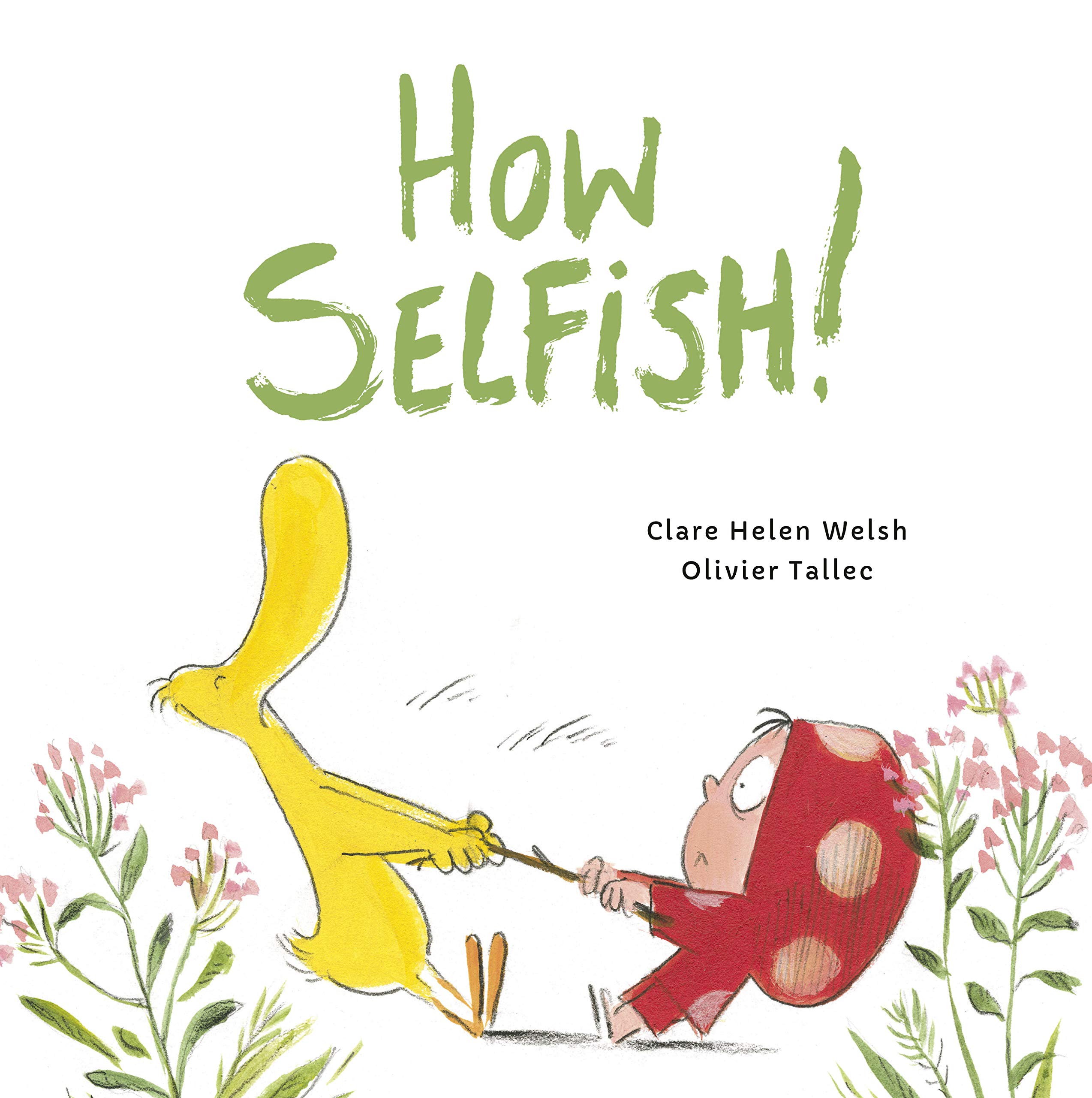
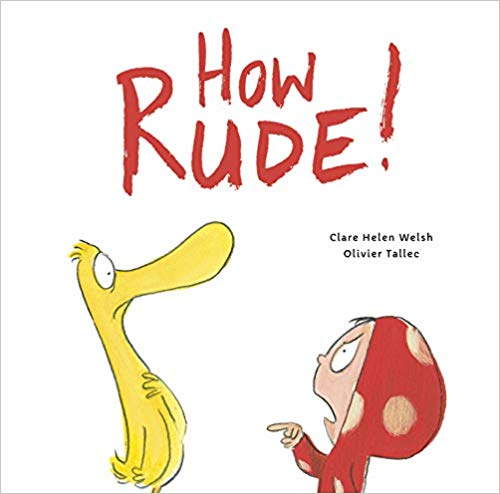
In the Dot and Duck series, I’ve very much taken inspiration from my life. How Rude came from imagining my children at their worst. How Selfish was
inspired by my time in Early Years environments. The third adventure, How
Messy, was more specifically inspired by my marriage! Not that one or other
of us is Dot or Duck – we have our moments as both characters – but it helped to imagine
incidents and real life examples and to plough those details and emotions into the story. Can you base your character on someone you know, or know of? Even if just in part? It makes them easier to visualise and makes it easier to predict how they will react in certain situations.

.png)
- 3. Take the theme of your texts and cast the character/s that will cause the most conflict
In the Lenny series, I chose the characters that would provide the most 'story'. Who were the smelliest, yuckiest, slimiest animals on the planet?! These were the creatures I knew Lenny needed to meet. The smellier, yuckier and slimier the animals, the higher the stakes for the character and the more potential there was for conflict and humour. Have you got the worst combination of character and conflict in your story? An uncoordinated giraffe that wants to dance? An owl who is afraid of the dark?


DO CHARACTERS ALWAYS NEED TO BE DISTINCTIVE?
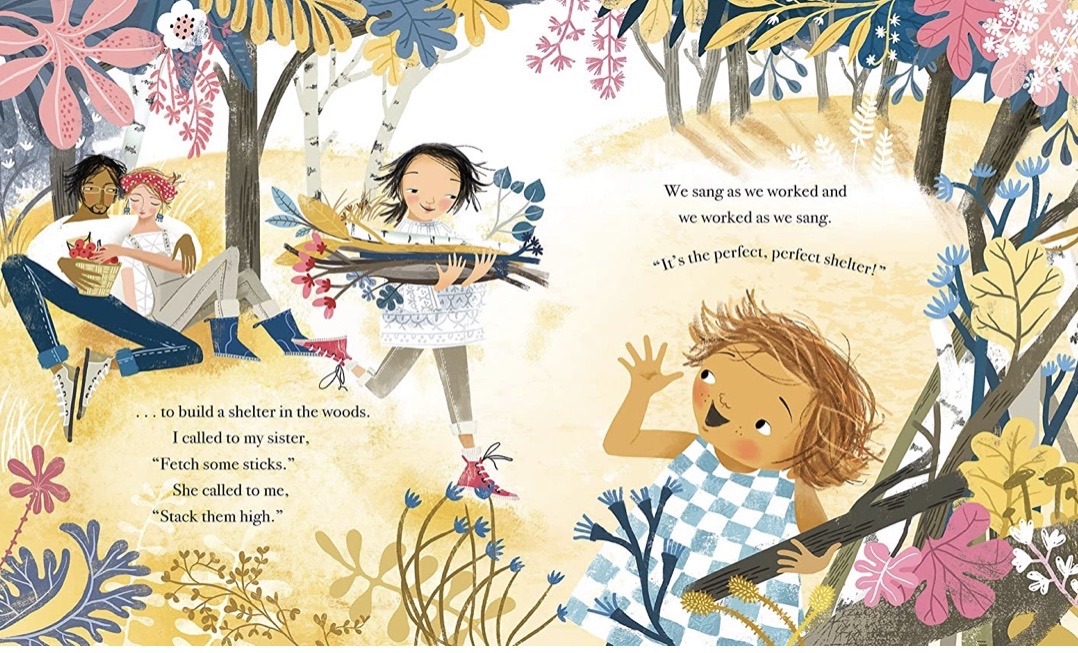
I think it’s also worth considering that sometimes it’s ok if your character is just a child. If your text deals with a big theme or has a hard hitting conflict, you might not need such an outwardly unique character. For example, in The Tide (Ashling Lindsay) and The Perfect Shelter (Asa Gilland), the main characters are just children – one who loves the beach and one who loves building dens. Written in first person they are intentionally quite generic, which I think works. There’s enough conflict going on in the world around them. One girl is learning to accept her grandparent's dementia and the other her sister's critical illness. The plot points and emotional themes are the hooks for the story, not the uniqueness of the character.
Remember though, that even if you decide your human characters don’t need to be that distinctive, they still need to be clear. You could try cementing their personality in the early pages, with a line or two that tells us exactly all we need to know.


The good news is that where picture books are concerned, it’s not all about the words! Illustrations bring characters alive in a physical sense, of course, which for me is like meeting them for the first time! I don't ever imagine my characters in that much detail. But they also add to the characterisation in untold, magical ways. Like when Laura Barrett illustrated Scissorella and hid animals mentioned in the original fairy tale like lizards, mice and a cat adding to Lotte’s kind and caring persona. So if your characters feel a little flat, that might not be a bad thing - it could leave space for the perfect illustrator to breathe life into them and bring them into their own.

.png)
WHAT ABOUT YOU?
I wonder if you have any top tips for creating clear, interesting, relatable, authentic, distinctive, like-able characters that we care about. Would you consider yourself a character-led writer or plot-led writer or both?!
Feel
free to let us know in the comments below.
BIO: Clare is a children's writer from Devon. She writes fiction and non-fiction picture book texts - sometimes funny, sometimes lyrical and everything in between. Her first book was published in 2015, and she currently has books in development with Little Tiger Press, Quarto, Nosy Crow and MacMillan. Her next narrative non-fiction picture book, 'Sunshine at Bedtime,' comes out in just a few weeks with Storyhouse Publishing and has been illustrated by Sally Soweol Han. It's a magical but educational adventure explaining why the sun sets later in the summer. You can find out more about Clare at her website www.clarehelenwelsh.com or on Twitter @ClareHelenWelsh.