

I’ve fallen in love, and I’m having a whirlwind romance with [cue page turn]...
Creative nonfiction picture books.
Creative nonfiction picture books are simply picture books where the story happens to be true. Sounds really simple but it took me a while to work out that’s what I wanted to do...
I’d thought about writing non-fiction for younger children before. But the passion wasn’t there. I love picture books. I love the way the words and pictures are so much more together than they are separately. I love the drama that can be created in such a short space. I love the form and the constraints.
There was plenty of really interesting information in the nonfiction books I was looking at...

They all felt very educational –which isn’t a criticism at all. I love learning and I was enjoying reading them but they didn't make me want to write them (like good picture books do). So I shelved the idea of writing nonfiction until something that really grabbed me turned up. Then one day ... [cue page turn]
Something that really grabbed me turned up.
An illustrator friend, Jess Mikhail, and I were both approached by Bournville Village Trust, in Birmingham, UK. Would we consider writing and illustrating a picture book together about Bournville? This is where the Cadbury brothers built their famous chocolate factory in the late nineteenth century, followed by a model village, created for the benefit of the factory workers, wider community and society. The story is fascinating. It’s passionate, political, philosophical, ground-breaking with an extraordinary family at its heart. And of course, there’s chocolate. Lots of chocolate. Would we consider creating this picture book?

[cue the page turn where everyone knows the answer and can shout it out loudly together:]

Unusually, because this has been commissioned by BVT rather than a traditional publisher, we get to choose the angle and approach for the book and the design. At first, I thought we’d go down the route of fun historical book with lots of interesting facts and a mix of illustration, photos, letters etc.. There are some really interesting and fun books like that that we looked at:

(c) Mandy Ross, Hometown World.

Avoid Being a Second World War Evacuee by Simon Smith, David Salariya and David Antram, Bookhouse.
I originally thought that our book might end up somewhat similar in format to these books.
But without thinking too much more about the structure, or indeed trying to impose in advance which story I’d try and tell, I got on with the research...

...and what an exciting area to research.

I immersed myself in the world of the Cadburys and chocolate.

I’ve had amazing access to the archives and I’ve interviewed some fascinating people in their eighties and nineties, who used to work in the factory and whose families worked there well before. I’ve toured the Bournville Village Estate

and watched footage that’s over one hundred years old.
.JPG)
I’ve read letters and handwritten personal reminiscences about the 1880s


and I’ve got access to incredible photos...
But back to the structure –and creative nonfiction...
After a while of playing around with different ideas, Jess and I decided we’d like for it to be a real picture book, telling a real story. I got loads of nonfiction picture books out of the library. Some of them were full of fascinating facts and were really well written. But I didn’t find any beautiful ones that were telling a story. So I asked at the library if there were any they thought were really unusual, arresting, beautiful. The librarian came up with one that she felt was in a completely different league from the others. But we couldn’t find a copy anywhere. I kept asking what made it so special and she said, “you’ll know when you see it”. I reserved it but in the meantime, I couldn’t resist and I bought it, too.


But I couldn’t find any others –except one story we had at home that was first out in 1999:


And then someone from my fantastic online critique group (most of whom are American) posted up about WOW Nonficpic, an online nonfiction picture book forum and about an online course that was coming up, run by nonfiction picture book author, Kristin Fulton, which some of us might be interested in. And I feel like I entered into a new world of creative nonfiction that is much more common in the US than here in the UK. There was lots of talk about different, beautiful creative nonfiction picture books and my wish-list grew and grew...
I decided to do the four-week online course, where I was introduced to yet more beautiful creative nonfiction picture books.


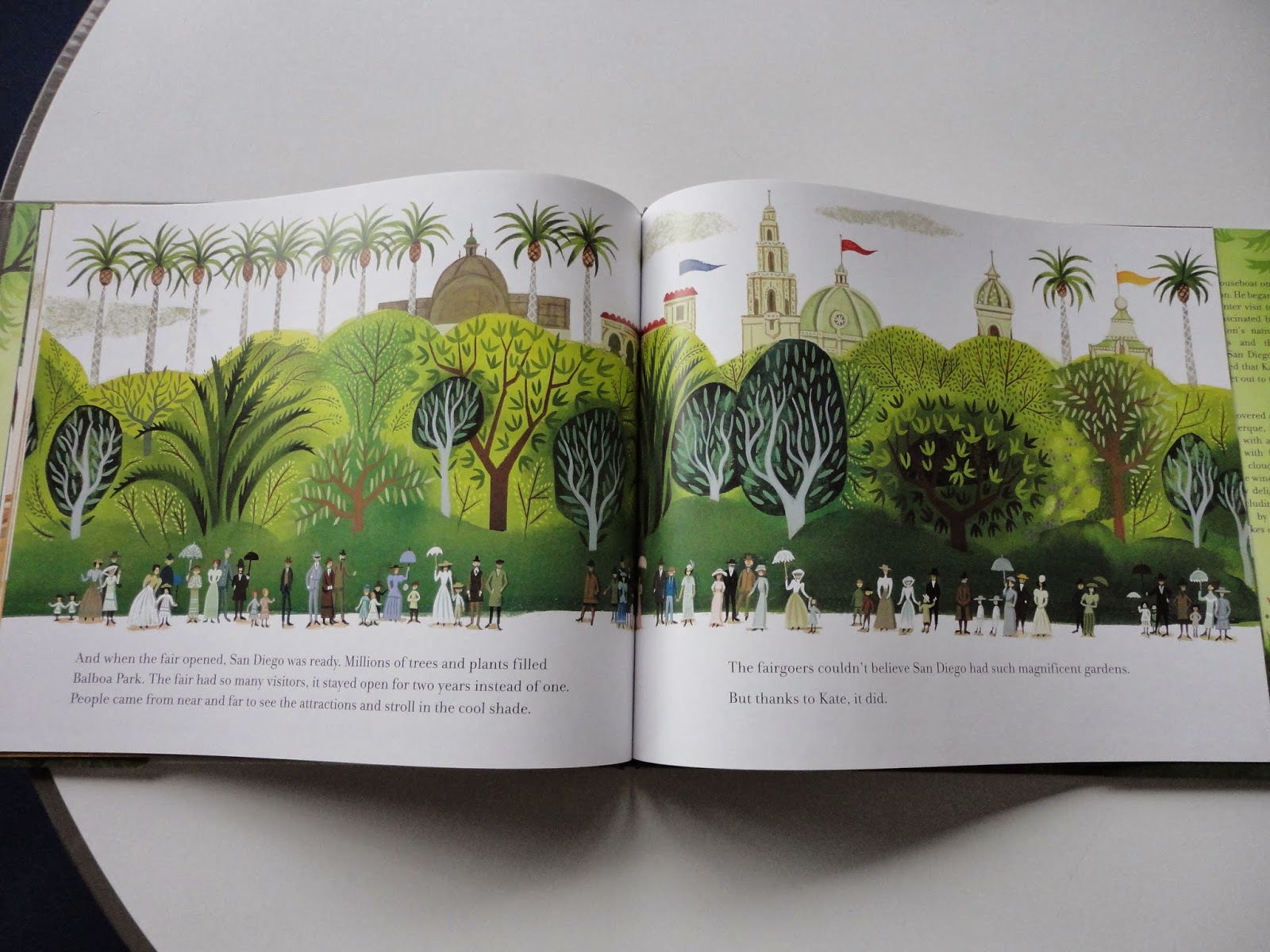


I wanted to be immersed in a world of books that was new to me (and which there was little access to in the UK) and to be surrounded (virtually) by other people who were passionate about the form of creative nonfiction in the way that I’m so often surrounded by those writers who are passionate about picture books. The course was extremely good (I’d very seriously recommend it to anyone writing or interested in writing nonfiction picture books)–and timely for me. I’ve learned lots, and have now got hold of a pile of books that I can use for inspiration (about completely different subjects). I’d already fallen in love with the research and the story for our book, but now I’d fallen in love with the form of book, too.
About four months after I’d starting researching the book, I decided which story I wanted to tell (the history is so fascinating I could have told lots). I spent weeks working on a picture book structure and testing it out with other writers.

And I presented it to all the relevant people in Bournville earlier this week and it got the big thumbs up.

Creative nonfiction is very much like a fiction picture book. It’s about the story and the way you tell it; the use of page turns and the highs and lows. The expectation and surprise and like all good picture books, it needs to stand up to being read again and again. And the illustrations must be lovely, as with all good picture books.


I’m so excited.
First, by the story –of two innovative young Quaker brothers...


who did something remarkable. The death of their beloved mother had left their father, John Cadbury,

a broken man and his cocoa factory and business was failing badly. With great integrity, humanity, sacrifice and an extraordinary vision, they took on the business, and turned it round to become incredibly successful throughout the world, whilst at the same time working to create much better working conditions,


living conditions
from this...

to this...


and spiritual and physical conditions for many thousands of people.

Early shot of girls at the factory (c) Cadbury Archive


.jpg)

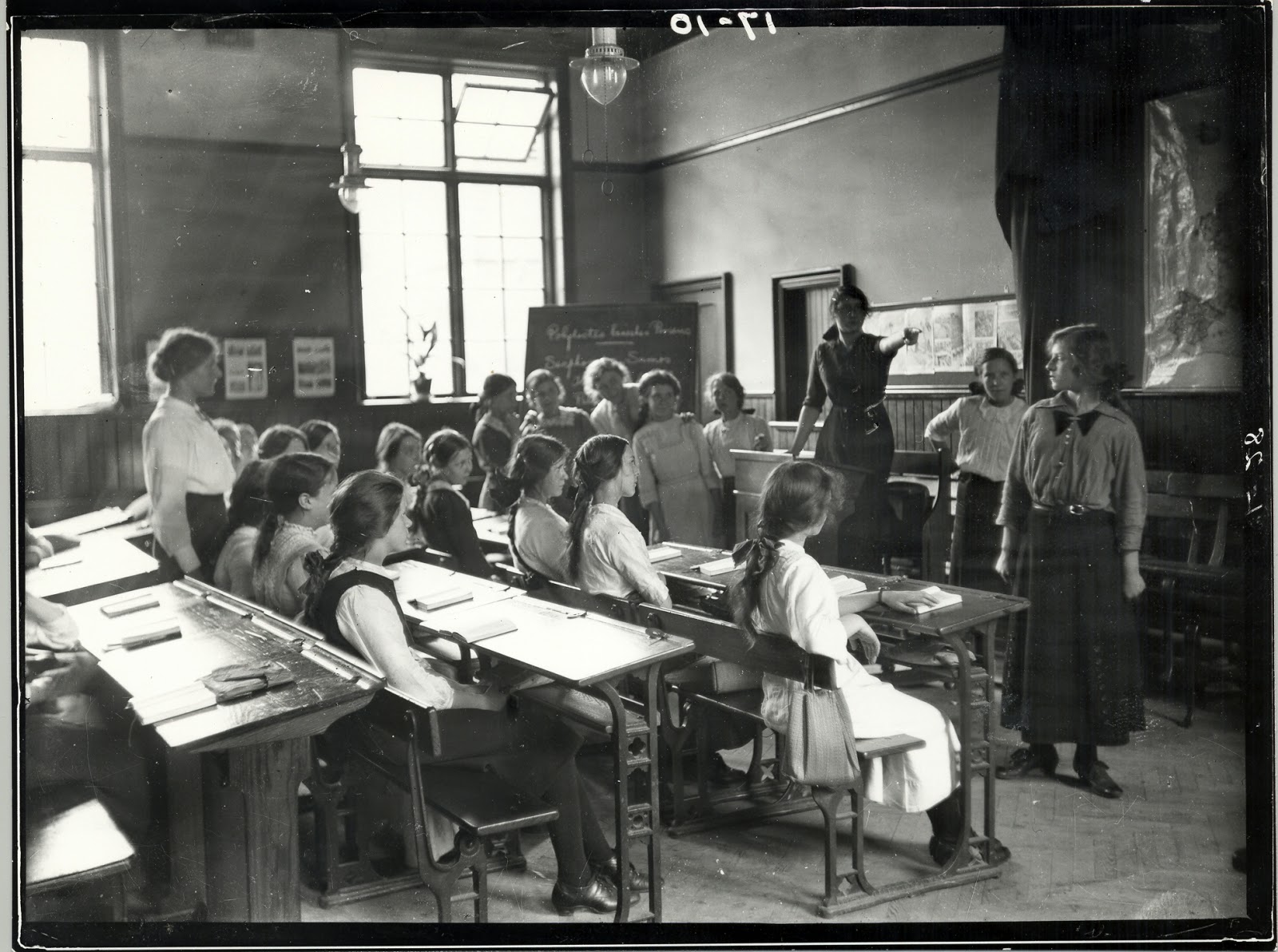


But I’m also really excited about having discovered creative nonfiction. I’ve got several other creative nonfiction books I’d really like to write after this one. I think that this love affair will go far...
I’ve spent so much of my time up at the factory archives, breathing in the sumptuous smell of chocolate as I get off the number 27 bus, I know I’m going to feel quite bereft when it’s over. It’s been like a dream job and I don’t want it to end.
But it’s time to get down to the actual writing now, bringing colour to the black and white, having made piles of notes over the past few months. The first really really rough draft will only take a couple of days to write as I know the story so well and I’ve got my structure sorted. Then I’ll spend the next couple of months playing with the language, fleshing it out and editing it.

As the wonderful David Almond said at a talk I went to last year:
“Make it lovely.”
And that’s what we plan to do.
What are your thoughts on creative nonfiction? Why are there so many more beautiful creative nonfiction picture books in the US than in the UK? Do UK publishers not feel there is a market for them? Are they there and I’m missing them? Or is there going to be the same explosion of these books in the UK in the coming years? I really hope so. Jess Mikhail and I are in an unusual position of being able to create what we most want to create, knowing that it will be produced and published (in conjunction with BVT), but it would be fantastic to see lots more on the shelves in schools, libraries and bookshops...
www.julietclarebell.com
